
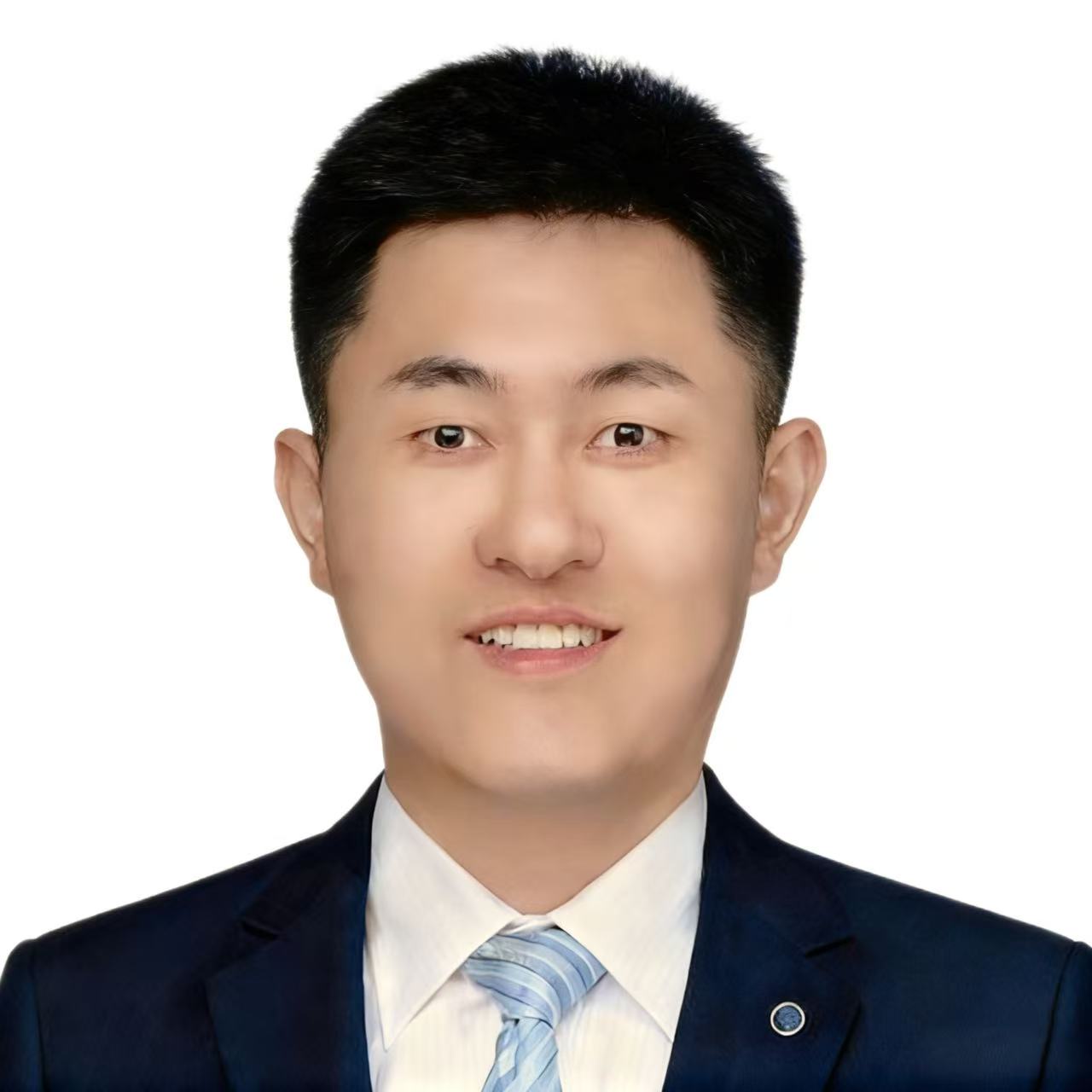
Speaker
Wei Gong
Time
2025.11.26 16:00-17:30
Abstract
The 2025 Nobel Prize in Chemistry was awarded to Japanese scientist Susumu Kitagawa, Australian scientist Richard Robson, and American scientist Omar M. Yaghi in recognition of their pioneering contributions to Metal-Organic Frameworks (MOFs). The three laureates created an entirely new type of molecular structure characterized by high designability and scalability. By leveraging the precise coordination self-assembly of metal ions and organic molecules at the nanoscale, they were able to form crystalline structures with a vast number of permanent, regular nanopores. The presence of these nanopores endows the materials with extremely high specific surface areas (up to 10,000 m²/g), opening up new frontiers for research in chemistry, materials science, and interdisciplinary fields.
With the abundant variety of metal ions and organic molecules available, chemists can design and modify these fundamental building blocks to construct countless MOF materials with diverse structures and functions. This offers unprecedented possibilities for tailoring functional porous crystalline materials, while also significantly expanding their application potential. Such materials hold promise for addressing major global challenges, such as capturing carbon dioxide from the air, extracting moisture from desert air, storing hydrogen, and enabling highly efficient biomimetic catalysis.
Bio
Wei Gong, Tenure-Track Associate Professor at the School of Chemistry and Chemical Engineering. He obtained the BS and MS at Anhui University in 2011 and 2014, and PhD at Shanghai Jiao Tong University in 2019. Then he moved to University of Texas at San Antonio and Northwestern University to work as a visiting postdoctoral researcher and joined SJTU in 2023. He leads several grants including NSFC (B and C), general program, and Shanghai pujiang program His research interests are primarily centered on the reticular construction of new metal-organic framework materials for adsorptive separation, catalysis, and energy-related applications.